14,563 views
AI Generated Images & Videos Are Fueling Global Misinformation
Mar 4, 2026

Dre K
CTO
Article
Artificial intelligence has reached a point where images and videos can be generated with astonishing realism. Tools powered by generative models can produce scenes that appear indistinguishable from real photographs. While this innovation has opened doors for creativity and digital art, it has also introduced serious challenges for information accuracy online.
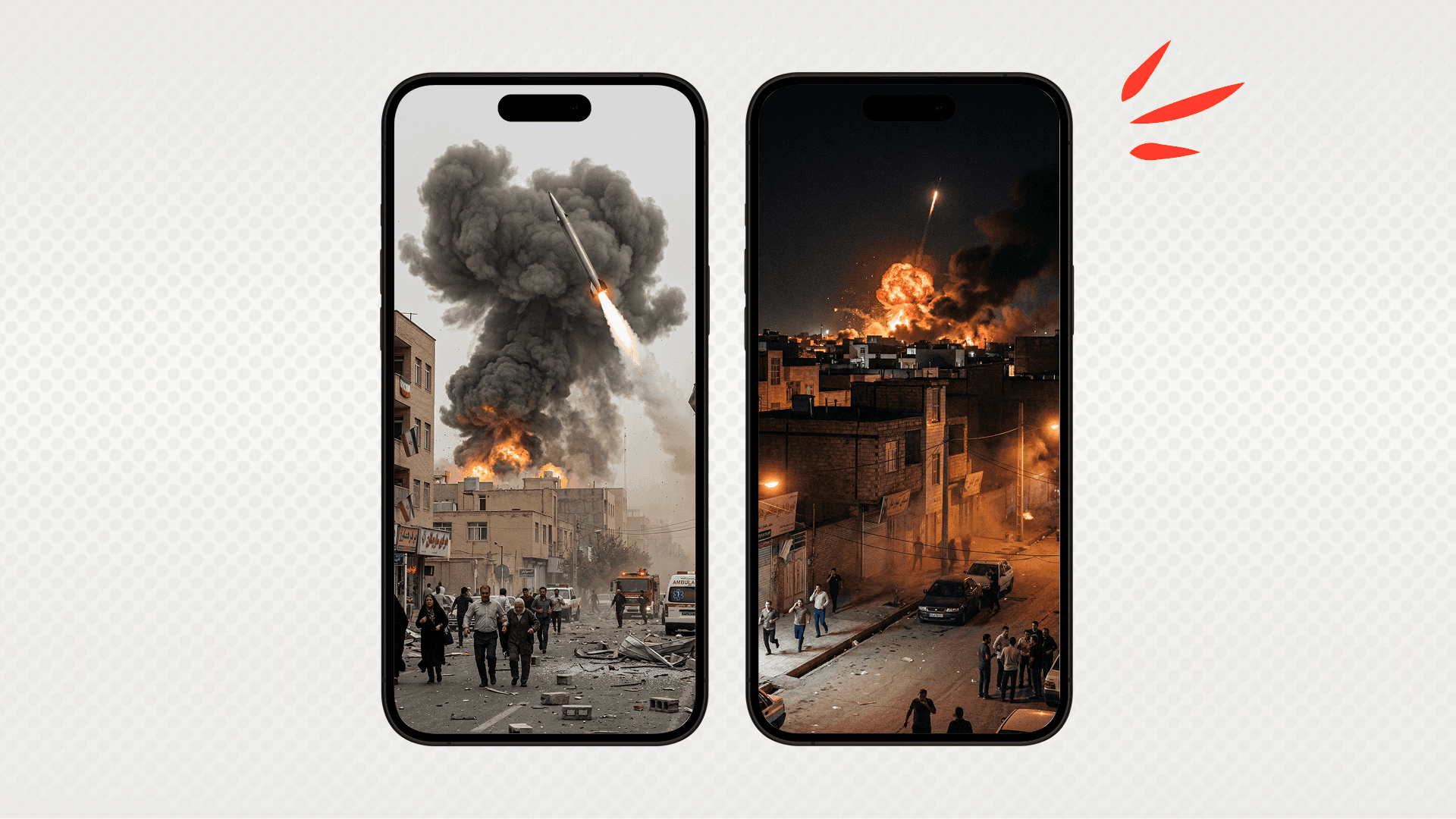
In recent years, AI generated images have appeared during major global events, including elections, protests, and natural disasters. In several cases, fabricated images spread rapidly across social media before being identified as artificial.
During periods of crisis or breaking news, people often share images quickly without verifying their origin. When realistic synthetic images are introduced into these moments, misinformation can spread faster than corrections.
A study from the MIT Media Lab found that false information spreads significantly faster on social media than factual content. When artificial images are added to the equation, misinformation becomes even more convincing and difficult to detect.
Experts warn that AI generated media may influence public perception during important global events. Fabricated photos of political figures, military actions, or natural disasters can shape narratives before accurate reporting has time to catch up.
This growing challenge has led researchers, journalists, and technology platforms to explore new ways to verify digital media. Detection tools are being developed to analyze images for signals that may indicate artificial generation or manipulation.
However, no detection system is perfect. As generative AI technology improves, identifying synthetic media becomes increasingly complex.
For users, the most important defense against misinformation is awareness. Taking a moment to question where an image came from, who posted it, and whether it has been verified by credible sources can help prevent the spread of misleading information.
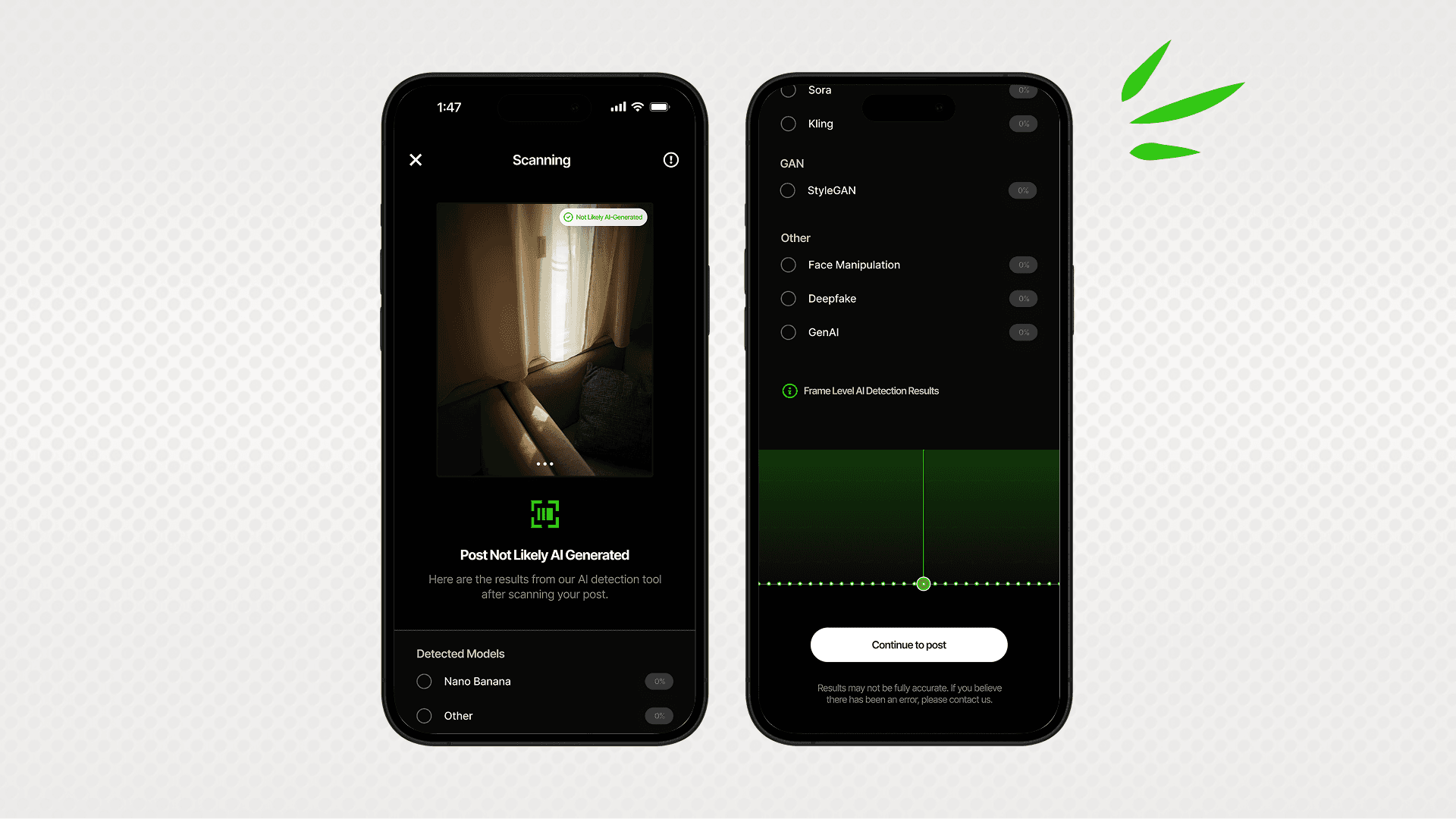
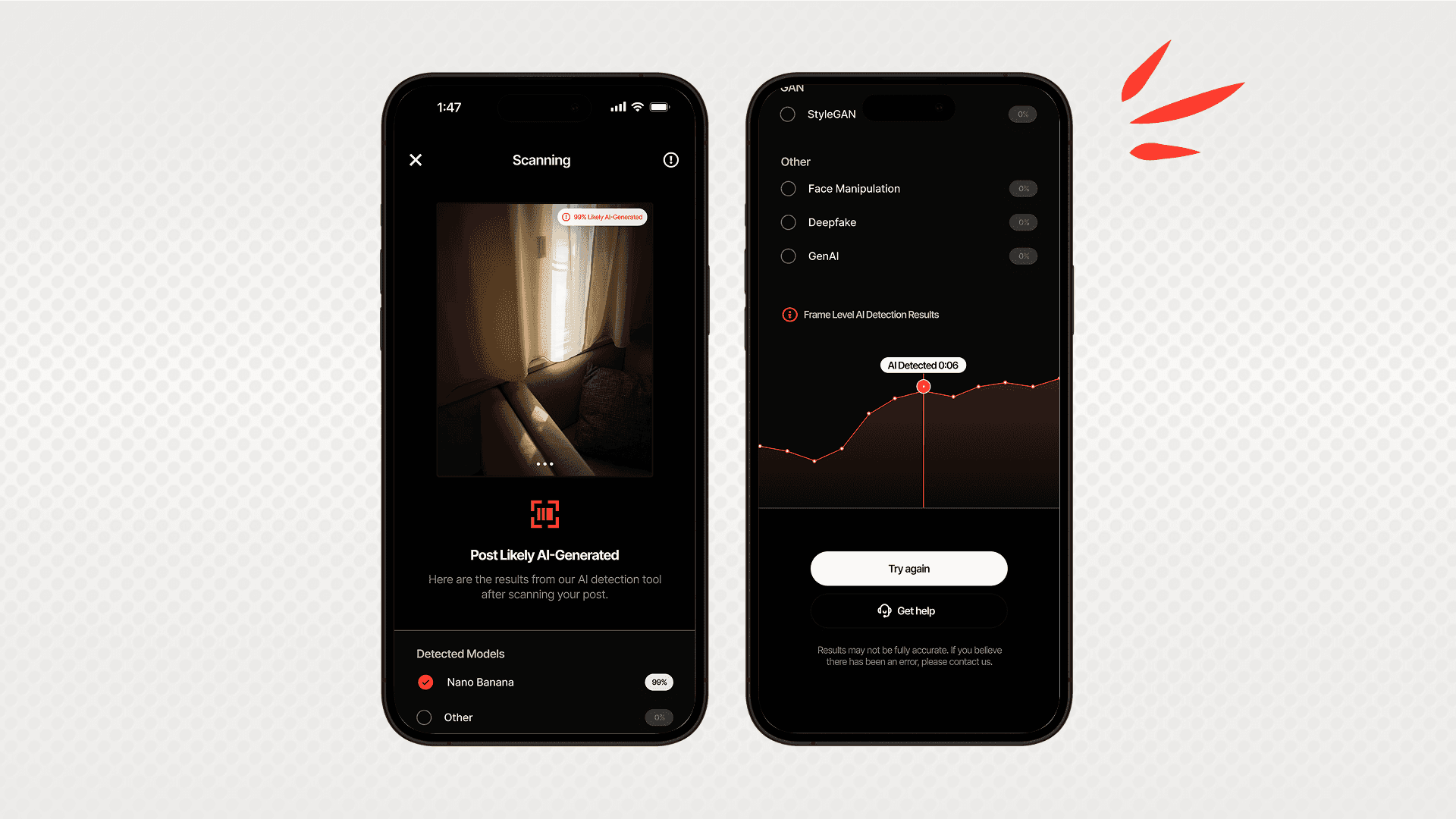
Platforms like RealScroll aim to provide additional transparency by analyzing digital media for indicators of artificial generation. The goal is not to replace human judgment, but to give users more context about what they are seeing online.
In a digital world where images can be created instantly, transparency and verification are becoming essential tools for protecting the integrity of information.
Why RealScroll Exists
The rise of artificial intelligence has made it harder than ever to know what is real online. Images, videos, and audio can now be generated in seconds, often appearing indistinguishable from real world events.
RealScroll was created to bring transparency back to social media.
Our platform analyzes uploaded media using detection technologies designed to identify possible indicators of artificial generation or manipulation. When content is reviewed, users can see contextual signals that help them better understand what they are viewing.
The goal is not to control what people share, but to give the community more clarity.
Instead of guessing whether a photo or video might be artificial, RealScroll provides tools that help users make more informed decisions about the content they see.
In a digital world filled with uncertainty, transparency matters more than ever.
RealScroll is built to help make social media feel real again.